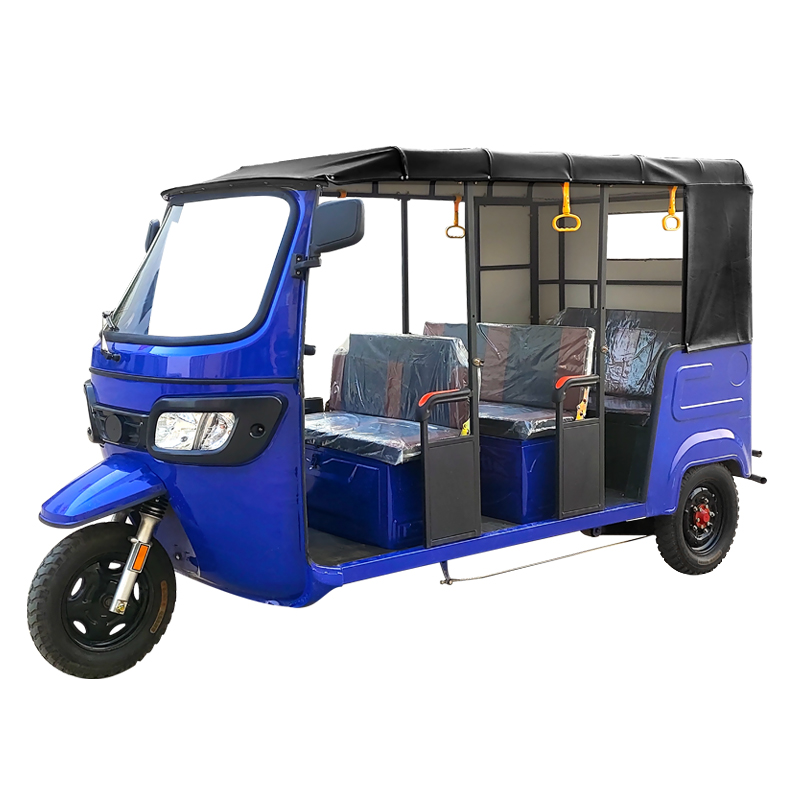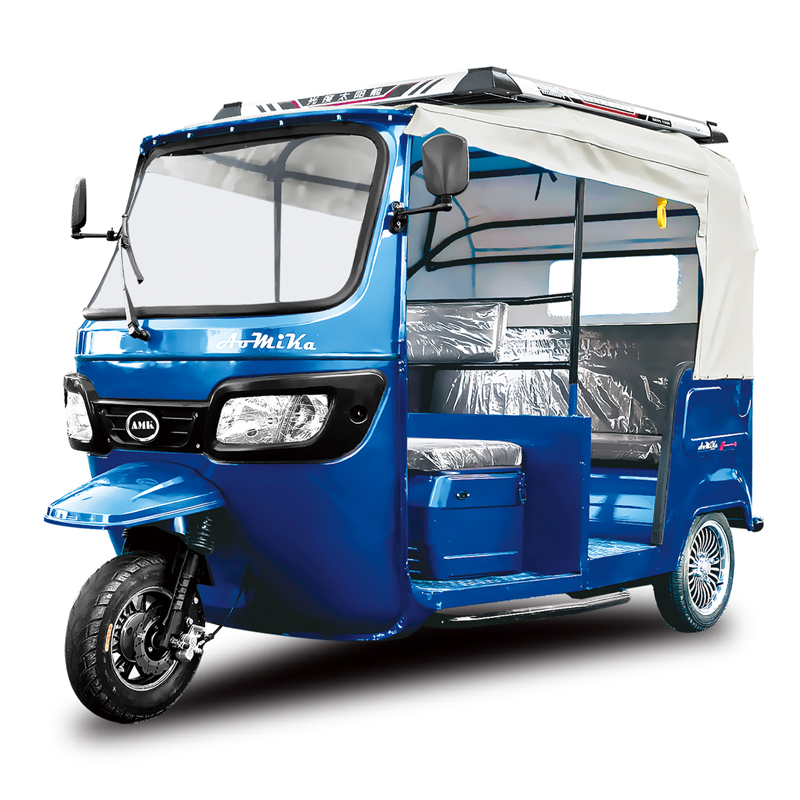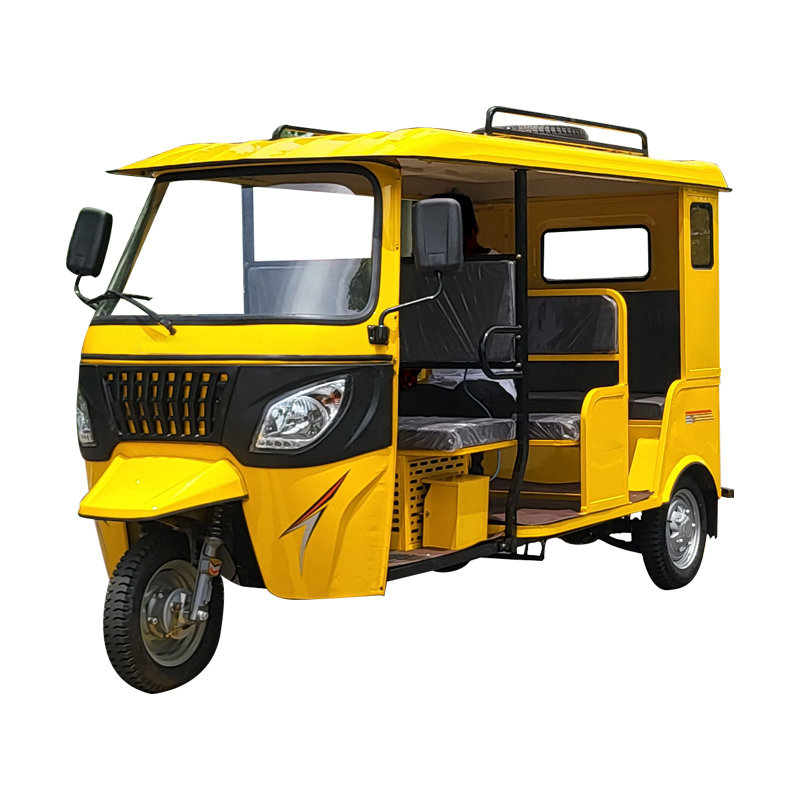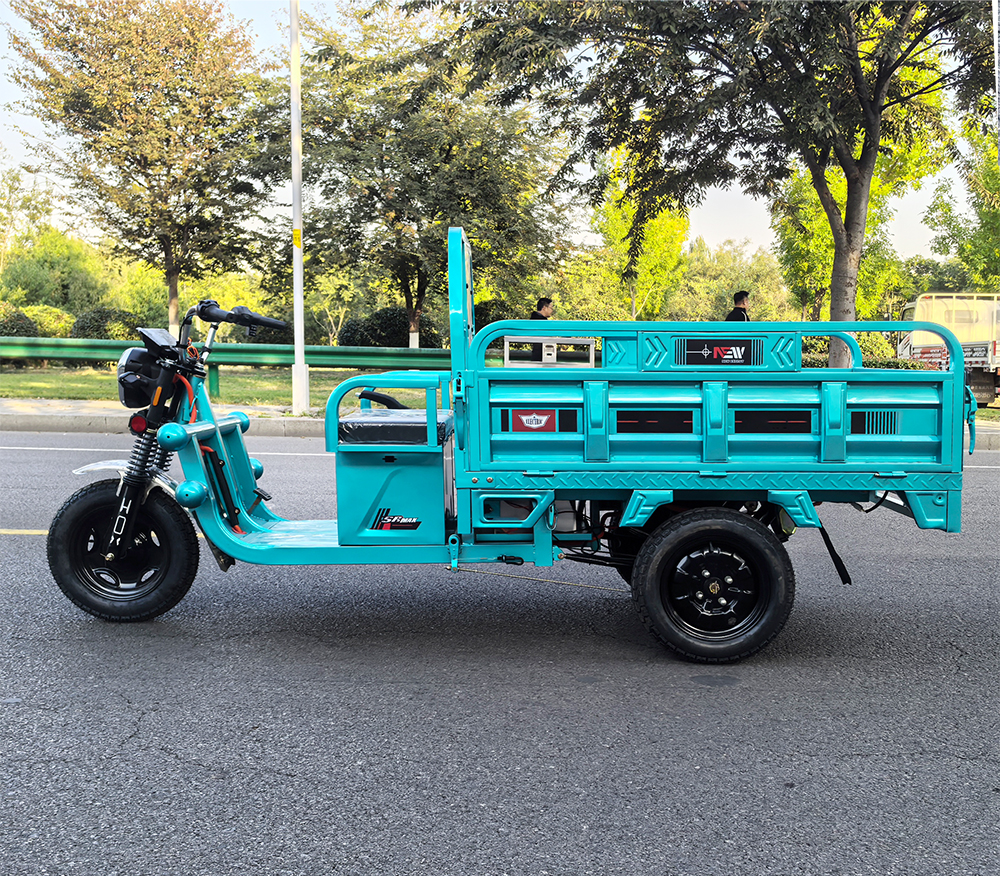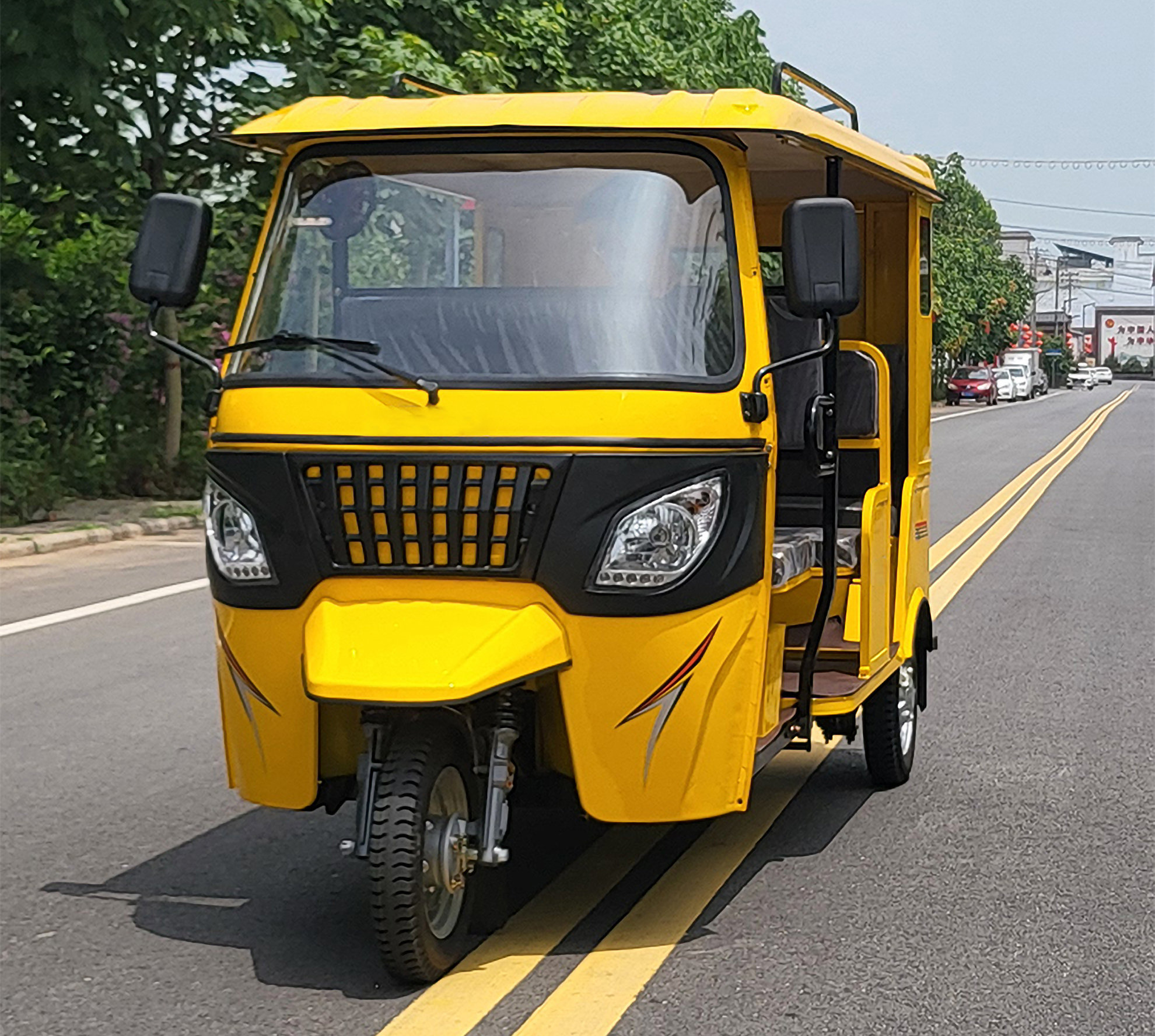
Electric sightseeing vehicles have already proven to be more cost-effective than traditional fuel shuttle buses, especially for short-distance routes, frequent stops, and eco-conscious scenic areas. In our previous blog, we explored the overall cost comparison between electric and fuel vehicles, showing the clear advantages in energy, maintenance, and operational efficiency.
However, many operators wonder: can operating costs be reduced even further? The good news is yes — with practical strategies and careful management, you can maximize savings while maintaining smooth operation.
Driving behavior has a direct impact on energy consumption and component wear. As we discussed in earlier blogs about electric tricycles and four-wheelers, smooth acceleration and steady speed reduce power loss. For sightseeing vehicles:
Avoid sudden starts and rapid stops
Keep consistent speed on straight stretches
Use regenerative braking (if available) rather than relying only on mechanical brakes
These habits not only extend battery life but also reduce wear on tires and brakes. Over time, improved driving behavior can save significant energy and maintenance costs.
Electric sightseeing vehicles are often parked at fixed stations overnight. But improper charging can increase energy costs or reduce battery lifespan. Consider these tips:
Charge during off-peak electricity hours when rates are lower
Avoid frequent short charges that keep batteries partially full for extended periods
Ensure full charging cycles periodically to maintain battery health
As we highlighted in previous blogs about range and battery management, smart charging can noticeably reduce long-term costs.
Tires may seem like a small factor, but incorrect pressure or poor alignment increases rolling resistance, consuming more energy. Regular checks and adjustments can:
Improve energy efficiency
Reduce wear on tires and suspension components
Enhance safety for passengers
It’s a simple step, but some operators overlook it, thinking tires don’t matter much — that’s not true.
While sightseeing vehicles carry passengers, operators can control additional weight:
Avoid storing unnecessary items on board
Use lightweight materials for optional accessories
Encourage drivers not to overload vehicles
Even small reductions in weight improve range and reduce energy use, which directly translates into cost savings.
Preventive maintenance is cheaper than emergency repairs. Scheduled inspections of motors, batteries, brakes, and electrical systems can prevent costly downtime and extend vehicle life.
As discussed in prior blogs comparing electric and fuel vehicles, the fewer unexpected repairs you have, the lower your overall operating cost. It’s really just common sense, but some operators skip it — and that can be expensive later.
Sightseeing vehicles usually operate on fixed paths, but minor adjustments can reduce energy use:
Plan routes to minimize steep climbs or sharp turns
Avoid congested paths that require frequent stopping
Combine trips when possible instead of running empty vehicles
Route efficiency not only saves energy but also improves service quality for visitors.
Driver habits are one of the biggest hidden costs. Proper training ensures:
Efficient energy use
Safe handling of slopes and curves
Consistent passenger comfort
Even though electric vehicles are simpler to drive than fuel buses, untrained drivers may still waste energy or cause wear. Investing in training pays off quickly.
Reducing operating costs of electric sightseeing vehicles is not magic — it’s about smart management, proper maintenance, and efficient driving practices. By implementing these strategies, operators can extend battery life, lower energy bills, reduce component wear, and improve overall profitability.
Combined with the advantages we discussed in previous blogs — quiet operation, environmental benefits, and overall cost-effectiveness — electric sightseeing vehicles become an even more compelling solution for modern tourist attractions.