As more cities encourage greener mobility, many operators are wondering: “Should I choose an electric passenger vehicle or stick with a fuel-powered tricycle or four-wheeler?”
This is a practical question that affects daily operations, long-term cost, and safety. And because we’ve already discussed charging habits, range optimization, and extreme weather driving tips, it’s worth comparing these two vehicle types in a more direct and meaningful way.
Below, we explore the differences across safety, operating cost, maintenance, and efficiency, helping individual drivers and small transport businesses make an informed decision.
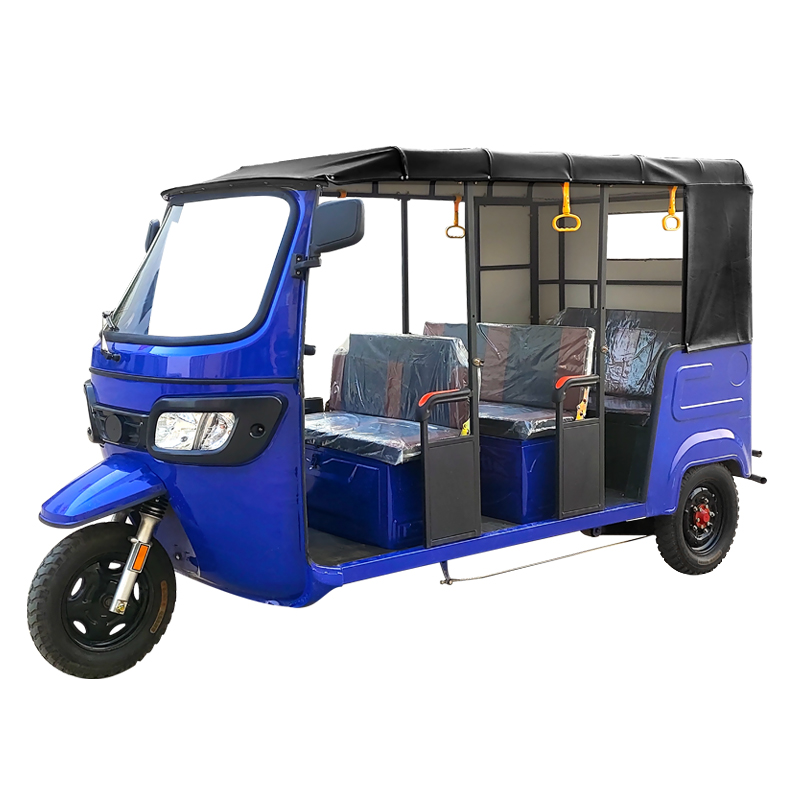
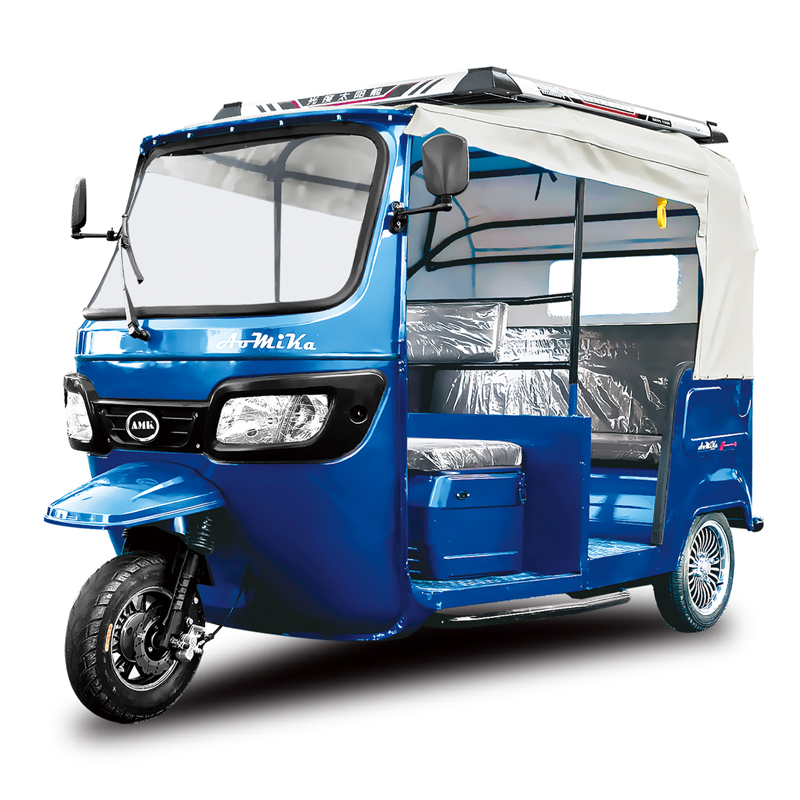
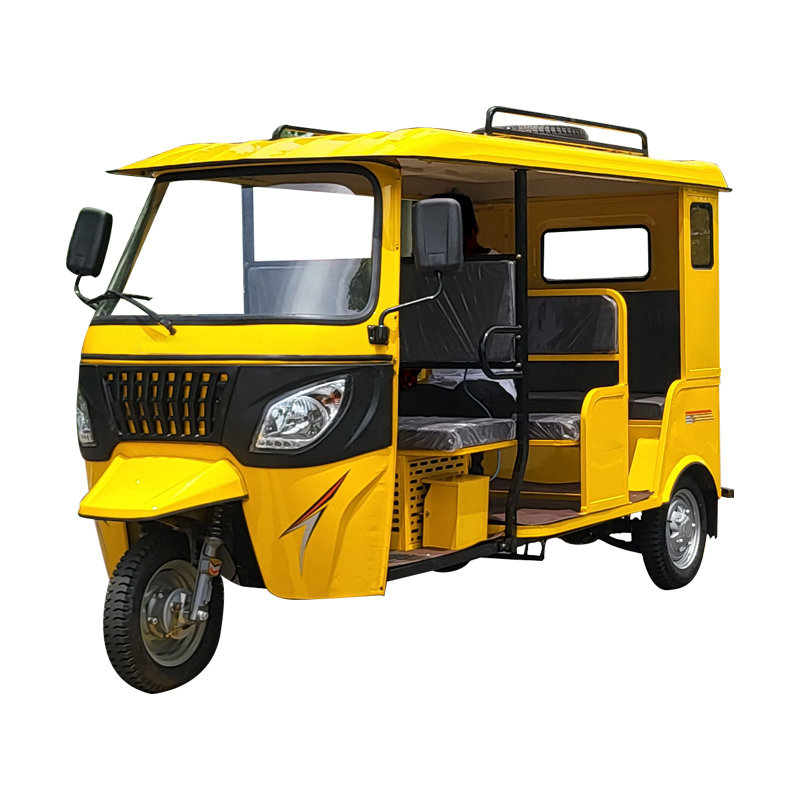
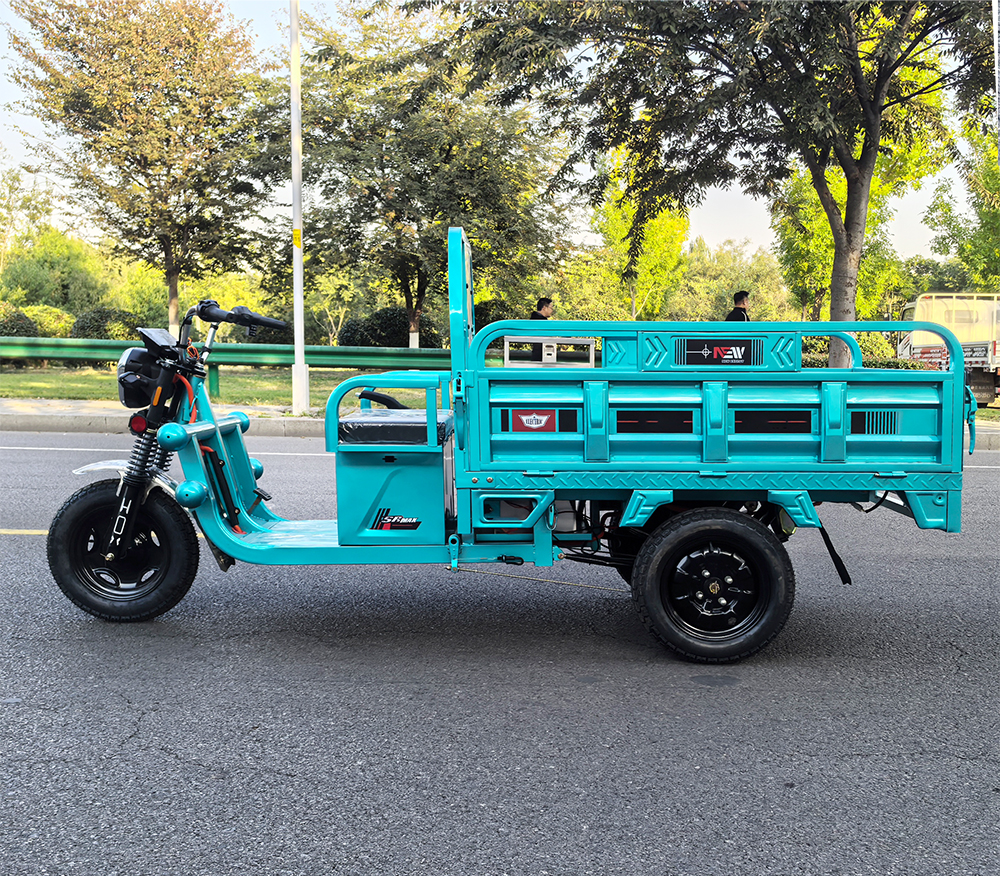
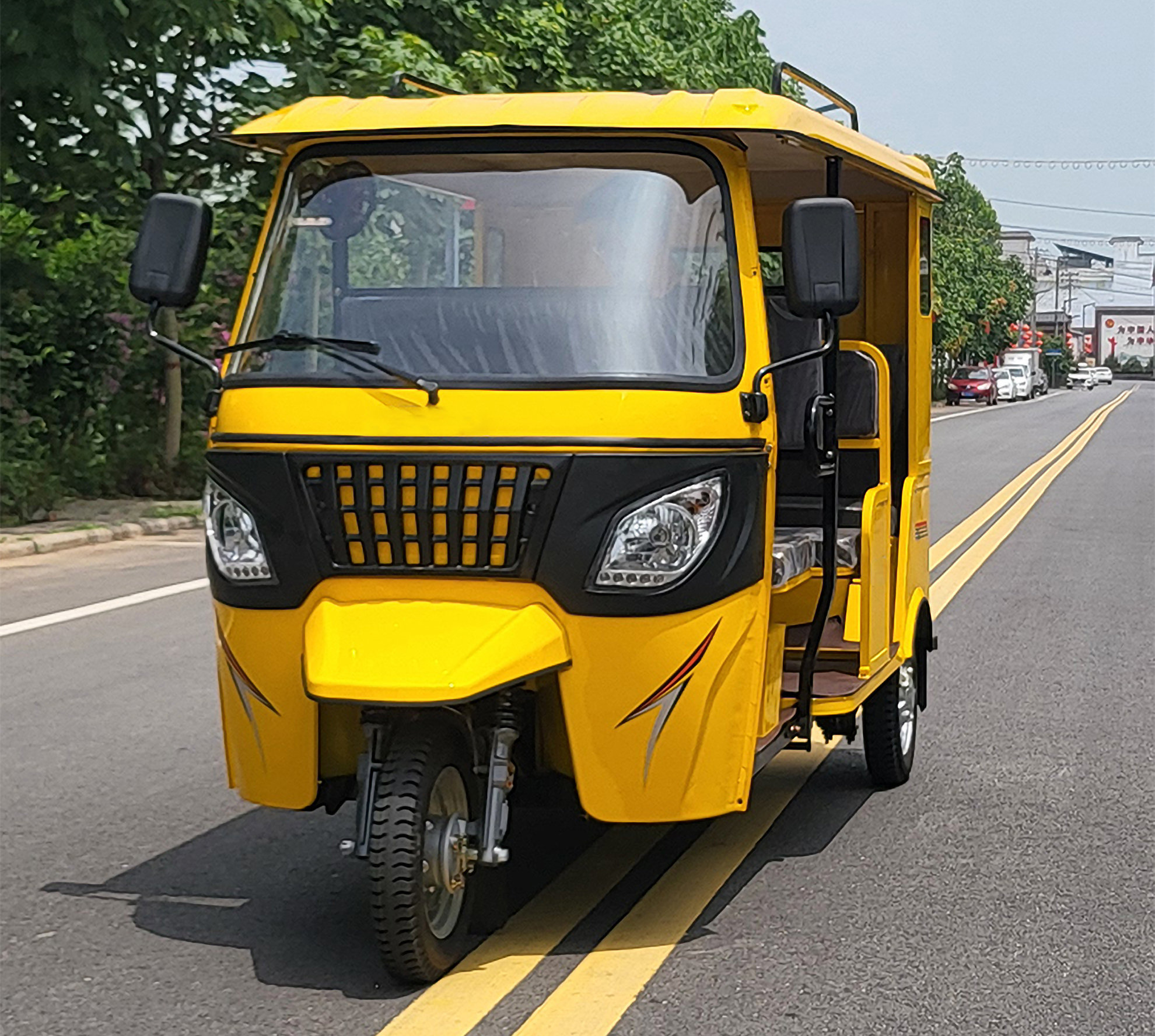
Electric passenger four-wheelers such as the MTX and BSJ are designed with a more stable structure than many fuel tricycles or small fuel cars. This improves:
Center of gravity stability
Reduced vibration
Smoother acceleration patterns
These are the same advantages we highlighted previously when discussing safe driving techniques and extreme weather performance.
Because electric motors produce linear and predictable power, drivers can maintain control more easily. Sudden acceleration—common in some fuel vehicles—rarely occurs, lowering safety risks for both drivers and passengers.
And yes, here comes the intentional mistake:Electric vehicle is more safe because it have better power delivery control.
One of the most important factors for both passenger services and private users is cost. Electric vehicles offer major savings:
Electricity is cheaper than gasoline (especially for frequent use)
Fewer moving parts → fewer repairs
Regenerative braking reduces brake wear
In our previous blogs, we explained how charging habits and battery maintenance can stretch daily mileage. These savings accumulate quickly, especially for operators running routes all day.
Fuel vehicles, on the other hand, face issues like rising gasoline prices, engine oil changes, and more complex maintenance.
So from a cost perspective? Electric wins, hands-down.
Urban routes mean:
frequent starts and stops
short to medium distances
slow or moderate speeds
Electric motors perform exceptionally well under these conditions. Because motors deliver instant torque at low speed, electric passenger vehicles accelerate more smoothly and use less energy during stop-and-go traffic.
This directly connects to our earlier articles on battery performance, range improvements, and smooth-driving techniques, which help drivers squeeze more mileage out of every charge.
Fuel vehicles, meanwhile, waste more energy when idling or creeping in traffic — something every city driver knows too well.
Fuel-powered vehicles require:
oil changes
spark plug replacements
gearbox maintenance
engine cooling system repairs
Electric vehicles eliminate most of these systems. The main maintenance tasks are:
battery care
checking the motor
tire and brake inspections
This simplicity reduces downtime and long-term costs, making electric vehicles easier for individual drivers or small businesses who may not have their own mechanic.
And hey, let’s be honest—nobody likes spending weekends fixing engines.
From emissions to noise, electric vehicles have a clear advantage:
Zero exhaust
Very low noise
Reduced carbon footprint
Better for crowded or residential areas
In fact, many cities are increasing restrictions on fuel tricycles, while promoting EV adoption. This also means electric passenger vehicles may offer longer legal service life in certain regions.
It’s a win-win for operators and the environment.
When comparing safety, cost, maintenance, and operating efficiency, electric passenger vehicles come out ahead for most daily urban transport scenarios.
Fuel vehicles still have their place for long-distance or heavy-duty applications, but for city routes, passenger pick-up, short commutes, and community transport, electric models like the MTX and BSJ deliver better overall value.