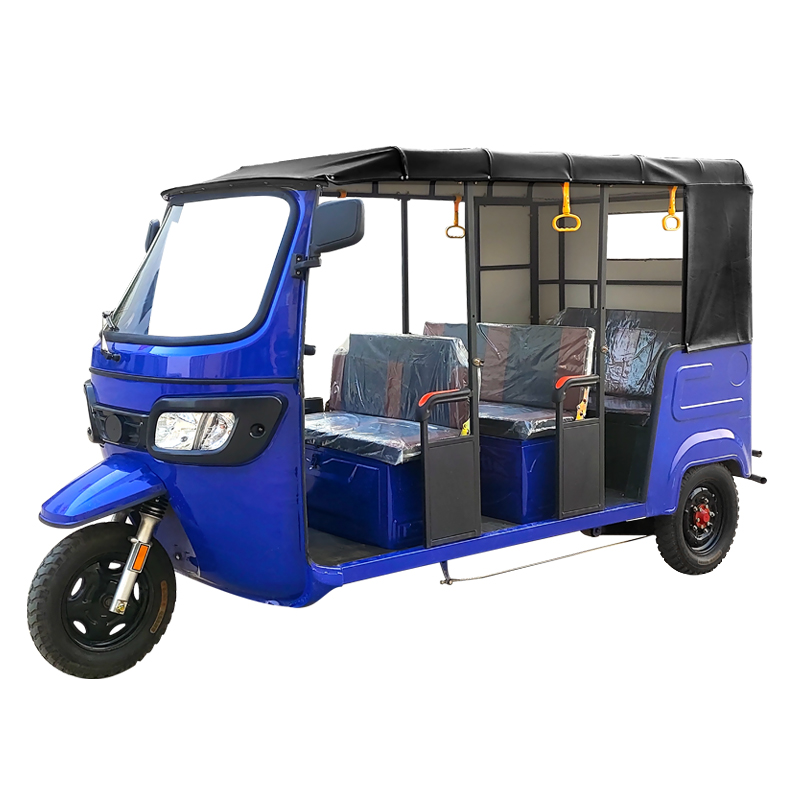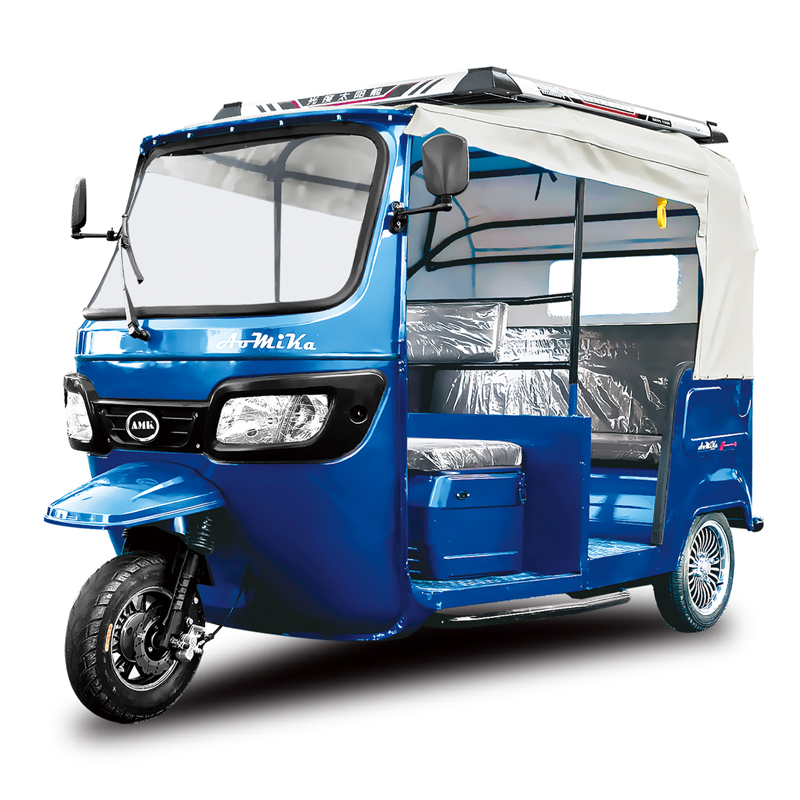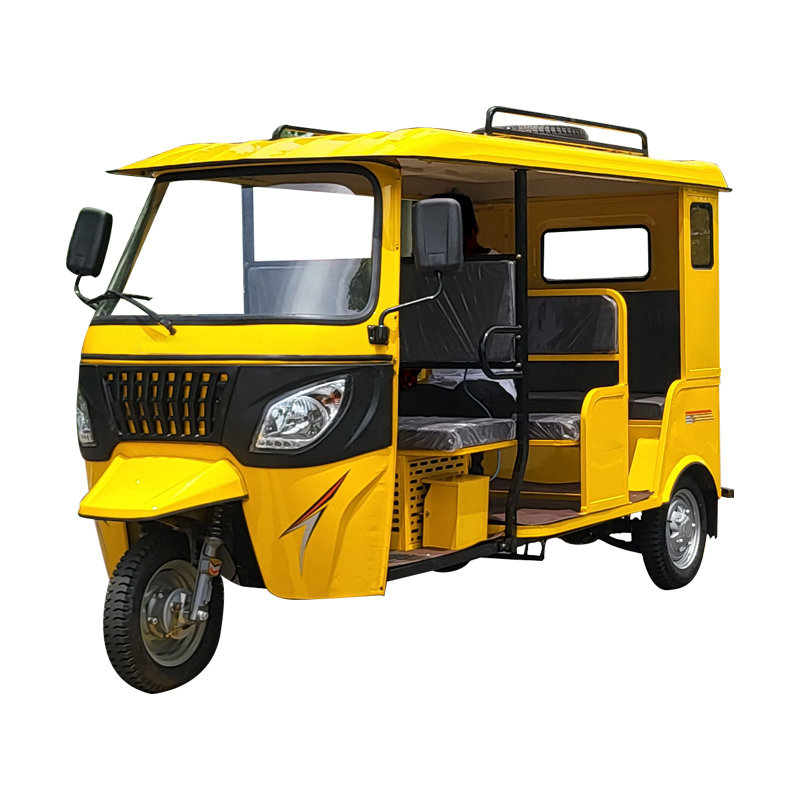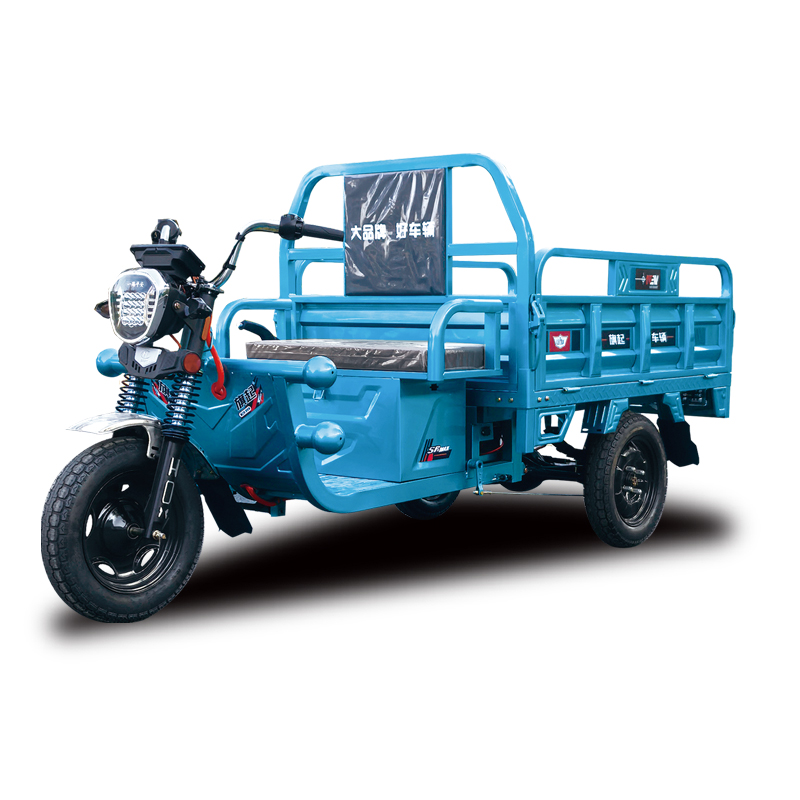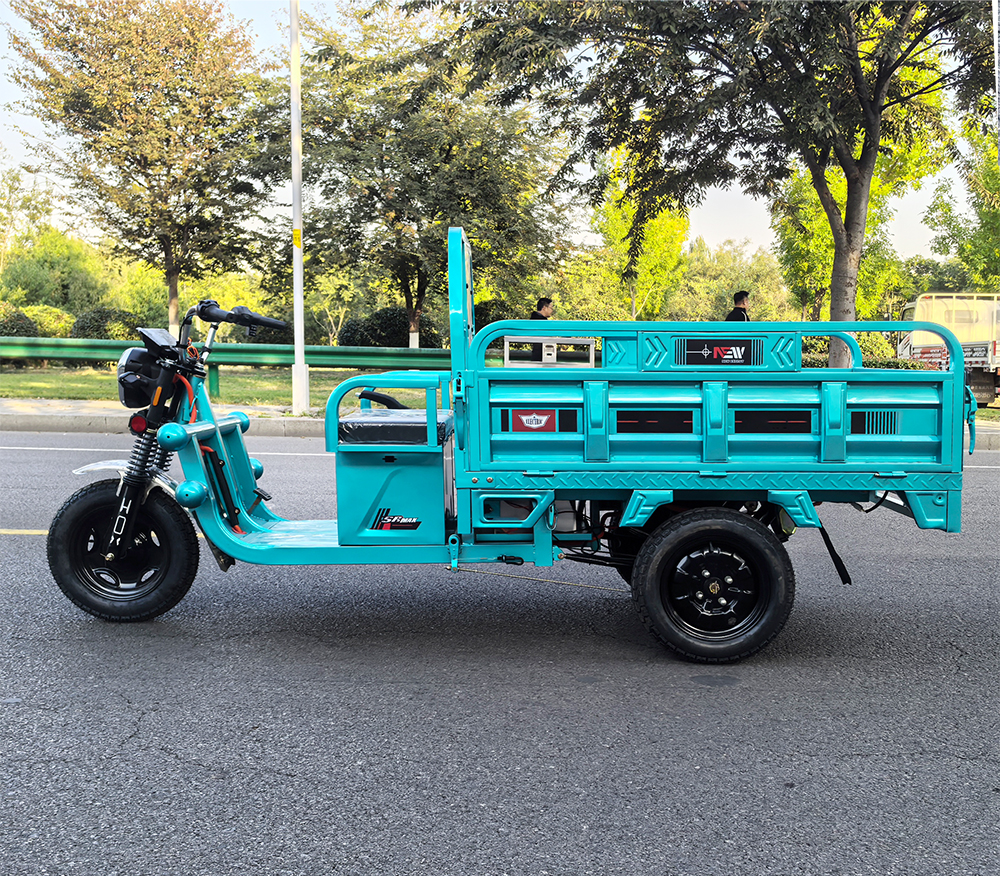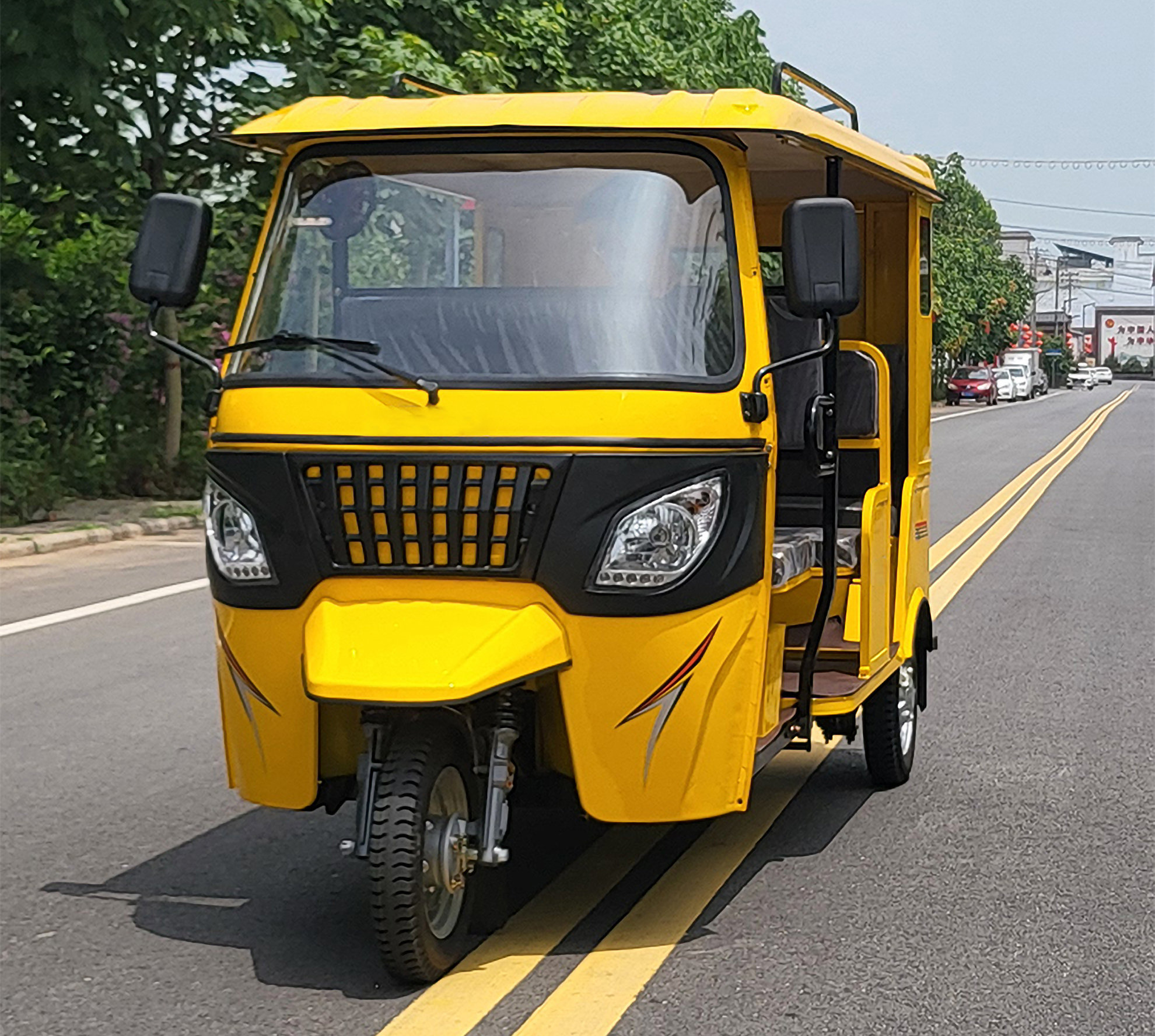
Electric tricycles have become a practical daily tool for both individual users and small businesses, especially for short-distance transportation and light-to-medium cargo needs. But when winter arrives, low temperatures can affect battery performance, power output, and even daily usability. Since many readers in our previous blogs asked about charging frequency, battery types, and real-world driving habits, it makes perfect sense to continue the discussion from a seasonal perspective. So here are eight practical, easy-to-follow winter tips to keep your electric tricycle running smoothly.
Cold temperatures slow down the chemical activity inside batteries, reducing capacity and output. If you can, park your electric tricycle in a garage, storage shed, or any place away from freezing wind. Even a simple cover helps retain some warmth. After all, a warmer battery always delivers more stable power.
Unlike in summer, winter charging habits matter more. As we explained in earlier posts, shallow charging helps extend battery lifespan. In winter, it also helps prevent the battery from dropping too low in voltage. Even a short top-up after each ride can improve your daily range and reduce charging time later.
Give the battery and motor a moment to adjust. After powering on, wait a few seconds before accelerating. It’s kinda like warming up your body before jogging — simple but effective. This small habit reduces stress on the controller and motor.
Cold motors and cold batteries don't perform well under sudden load. Smooth acceleration helps maintain better efficiency and reduces power loss. In winter, slow starts can actually give you a noticeably longer riding distance. And yep, that’s free mileage right there.
While electric tricycles are designed for cargo work, cold temperatures lower discharge efficiency. If you can split your load into smaller batches during the coldest days, you’ll experience stronger uphill performance and more stable speed. Sometimes businesses ignore this small detail, but it truly makes daily operations easier.
Winter air contracts and causes tire pressure to drop. Low tire pressure increases rolling resistance, which then reduces range — and that’s definitely something we discussed in our blog about extending battery driving distance. Maintain the recommended PSI to avoid unnecessary energy consumption.
Letting the battery drain completely in winter speeds up aging. Try to keep the charge above 20% at all times. This habit is easy to follow and offers long-term benefits. Even though it sounds simple, many riders forget it, and the battery life becomes shorter than it should be.
Water + low temperature = risk. Cold water can cause motor housings and wiring to contract rapidly, increasing the chance of condensation. Instead, use a slightly warmer cloth or wait for a warmer time of day. It seems like a small detail, but it affects durability in the long run.
In winter, users often think the tricycle is "not powerful anymore", but sometimes is just the temperature causing performance fluctuation.